Golden Houseplants Are Having a Moment
Explore why golden-hued foliage is taking over US living spaces, offering a vibrant aesthetic boost and proven psychological well-being benefits.
Key Takeaways
- Golden-toned houseplants like golden pothos and lemon lime philodendron are dominating interior design trends.
- Exposure to warm, bright foliage colors can stimulate psychological warmth and elevate daily mood.
- Proper care requires balancing vibrant light levels to preserve variegation without burning delicate leaves.
- Integrating these plants creates inviting, energetic living spaces throughout urban and suburban homes.
Across living rooms, home offices, and urban apartments throughout the United States, a vibrant shift is taking place as deep greens step aside for luminous golden foliage. Houseplant enthusiasts and interior designers are increasingly gravitating toward varieties featuring striking chartreuse, golden variegation, and bright yellow undertones that instantly enliven interior spaces. This growing appetite for golden botany represents a distinct evolution from the dark, moody aesthetics of previous seasons, signaling a broader cultural desire for warmth, brightness, and visual optimism within our living environments.
The timing of this botanical trend is far from accidental, arriving as homeowners seek restorative indoor sanctuaries that counteract the fatigue of daily digital life. Golden houseplants do more than simply elevate interior decor; horticultural experts and environmental psychologists note that warm-toned greenery can positively influence human mood and cognitive energy. As we examine how these radiant plants transition from niche collector items to mainstream staples, it becomes clear that bringing golden foliage indoors offers a multifaceted approach to modern wellness and domestic styling.
The Rise of Golden Foliage in Modern Interior Design
Interior design trends are cyclical, yet the sudden surge in popularity for golden-toned houseplants marks a unique departure from traditional foliage choices. Designers across major metropolitan hubs are swapping out standard emerald greens for cultivars that radiate light, transforming dim corners into luminous focal points. Varieties such as the classic golden pothos, lemon-lime maranta, and vibrant philodendron cultivars are becoming ubiquitous across lifestyle magazines and social media feeds. This aesthetic shift reflects a collective craving for brightness, as people look for effortless ways to inject warmth and organic personality into minimalist or neutral living spaces.
The versatility of golden foliage makes it an exceptional tool for interior styling, complementing everything from mid-century modern wood tones to sleek industrial concrete. Unlike heavy furniture or permanent fixtures, plants offer an organic flexibility that allows homeowners to test bold color palettes without long-term commitment. A single trailing golden pothos placed on a high bookshelf can draw the eye upward, creating an illusion of height and expansiveness in smaller rooms. This dynamic visual impact has elevated golden plants from background greenery to the undisputed star of contemporary home decor strategies.
Furthermore, the appreciation for golden hues aligns with a broader movement toward biophilic design, which seeks to reconnect urban dwellers with natural elements. By incorporating plants that catch and reflect indoor light differently than standard deep greens, spaces feel more alive and sun-drenched even during overcast winter months. Retail nurseries and online plant shops report unprecedented demand for variegated specimens, proving that consumers are willing to invest in flora that actively enhances their physical surroundings. As this trend matures, it redefines what a vibrant indoor garden can achieve aesthetically and functionally.
The Psychology of Color: How Golden Plants Boost Your Mood
The human response to color is deeply rooted in evolutionary biology, where warm hues often signal abundance, safety, and daytime energy. When integrated into living spaces, golden and yellow-toned foliage taps into these psychological triggers, helping to mitigate feelings of stagnation and mental fatigue. Environmental psychologists emphasize that visual exposure to bright, living flora can stimulate dopamine production and foster an overall sense of optimism. In a society grappling with chronic screen fatigue and high stress levels, surrounding oneself with golden botany provides a gentle, daily restorative refuge.
Indoor plants have long been recognized for their air-purifying capabilities and stress-reducing properties, but the specific addition of golden tones introduces a unique emotional dimension. While deep forest greens promote calm and introspection, golden variegation introduces an element of playfulness, warmth, and vitality. This sensory stimulation can enhance focus in home office environments and promote a welcoming, joyful atmosphere in communal living areas. Consequently, plant parents often report feeling an inexplicable uplift in spirits simply by tending to and observing these luminous, sun-kissed leaves on a regular basis.
Integrating color psychology into interior spaces does not require repainting walls or purchasing expensive art pieces when living flora can achieve the same therapeutic effect. Golden houseplants serve as living canvases that catch natural morning light, casting warm reflections across a room and subtly shifting the energetic tone of the environment. This interplay between natural sunlight and golden pigment creates an uplifting ambiance that feels organic rather than artificial. Ultimately, embracing this trend offers a simple, natural pathway to nurturing mental well-being and emotional resilience right inside the comfort of home.
When transitioning your vibrant new varieties into permanent displays, consulting a comprehensive self-watering indoor planters guide can save you time and prevent overwatering mistakes. Following expert moisture recommendations ensures your golden foliage stays healthy and luminous year-round.
Essential Varieties Driving the Golden Houseplant Craze
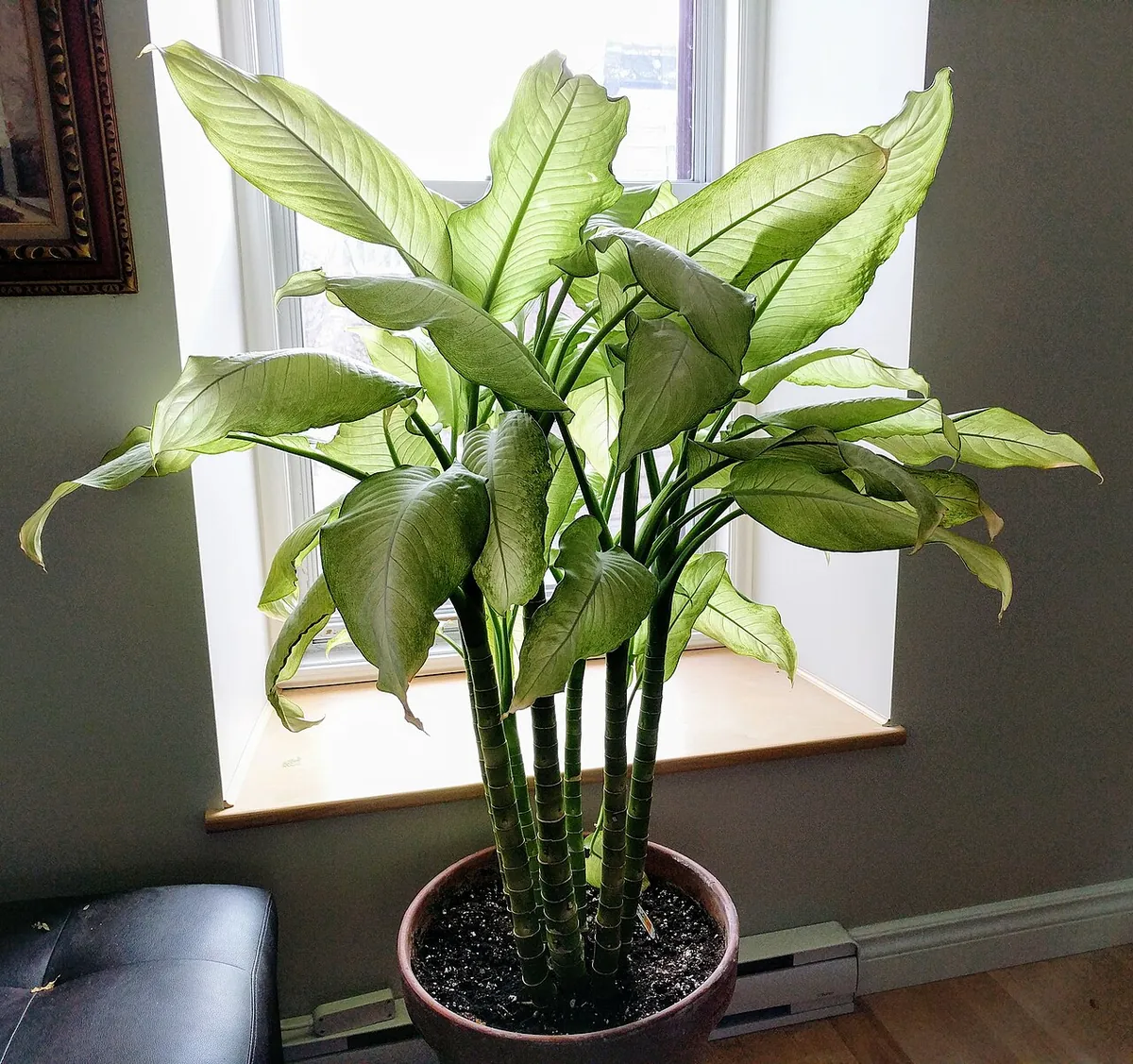
At the forefront of this botanical movement is the humble yet remarkably resilient golden pothos, a staple that continues to reign supreme in American households. Known scientifically as Epipremnum aureum, its heart-shaped leaves splashed with creamy yellow variegation make it nearly indestructible for beginners while remaining visually captivating for seasoned collectors. Beyond the pothos, plant enthusiasts are eagerly hunting down rare and exotic options like the Philodendron micans with golden undertones and the striking Lemon Lime prayer plant. Each variety brings a distinct texture and pattern to the table, ensuring that the golden trend never feels monotonous.
Another standout favorite is the Ctenanthe setosa and various Calathea cultivars that feature chartreuse striping and golden-green undersides, adding sophisticated movement and pattern to indoor gardens. For those seeking a dramatic statement piece, the golden goddess philodendron offers large, glossy chartreuse leaves that instantly command attention in any room. These species vary widely in their growth habits, ranging from cascading vines that drape gracefully from hanging baskets to upright statement shrubs that anchor bare corners. This incredible diversity allows plant lovers to curate tailored arrangements suited to their specific lighting conditions and spatial constraints.
Cultivating these varied species also introduces a rewarding horticultural hobby that encourages continuous learning about plant genetics and mutation. Many golden traits are the result of natural variegation or selective breeding designed to enhance chlorophyll distribution in specific ways. Understanding these biological nuances deepens the connection between grower and plant, turning routine watering days into mindful rituals of observation and care. As breeders continue to introduce new golden cultivars to the market, the scope of this trend expands, inviting even more creativity into domestic green spaces across the nation.
Lighting and Care: Keeping Your Golden Foliage Luminous
Maintaining the vibrant color intensity of golden houseplants requires an understanding of their unique lighting requirements. Because many golden and variegated plants possess less chlorophyll in their yellow patches, they generally need brighter indirect light to sustain their stunning coloration compared to their solid green counterparts. Placing them too far in deep shade can cause the leaves to revert to a standard green hue, muting the very vibrancy that made them appealing in the first place. Conversely, harsh direct sunlight can scorch delicate leaves, turning golden patches into unsightly brown burns.
Watering practices also play a critical role in preserving the health and appearance of golden foliage, as overwatering remains the leading cause of indoor plant decline. Most popular golden varieties, including pothos and philodendrons, prefer their soil to dry out partially between watering sessions to prevent root rot. Utilizing a self-watering indoor planters guide can help novice and experienced growers maintain optimal moisture balance without guesswork. Monitoring humidity levels, especially during dry winter months, ensures that leaf tips remain crisp and unblemished, preserving the pristine aesthetic of the golden canopy.
Nutritional management further supports vibrant growth, requiring balanced, diluted liquid fertilizers during the active spring and summer growing seasons. Feeding plants appropriately fuels the rapid cell production necessary to maintain lush, golden variegation without overwhelming the root system with excess salts. Pruning leggy vines or dead leaves encourages bushier growth, keeping the plant looking dense, healthy, and visually striking. By mastering these foundational care techniques, plant owners can enjoy thriving, luminous foliage that remains a vibrant centerpiece of their home decor year-round.
For more inspiration on elevating your living space with living greenery, explore our latest archive on sustainable indoor garden design: Why Golden Houseplants Are Taking Over Home Interiors.
Styling Tips: Integrating Golden Plants into Every Room
Bringing golden houseplants into your home decor opens up endless styling possibilities that can transform ordinary rooms into vibrant botanical havens. In the living room, grouping plants with varying heights on a rustic wooden plant stand creates a layered focal point that draws the eye. Pairing golden pothos with neutral ceramic pots or woven seagrass baskets enhances the natural warmth of the yellow foliage, making the arrangement feel cohesive and intentional. Kitchens, often characterized by clean lines and stainless steel appliances, benefit immensely from the softening touch of cascading golden vines tumbling down from open upper shelving.
Home offices and study spaces present another ideal environment for golden foliage, where the uplifting color tones can combat midday fatigue and spark creativity. Positioning a small, bright philodendron on a corner desk near a window provides a natural visual break from computer screens, reducing eye strain and refreshing the mind. Even bathrooms with adequate ambient light can become lush sanctuaries by introducing humidity-loving golden ferns or prayer plants. These thoughtful placements ensure that every corner of the home participates in the overarching mood-boosting benefits of the trend.
Vertical space utilization is another clever styling strategy, particularly for urban dwellers working with limited floor space in apartments or condos. Hanging planters outfitted with trailing golden varieties draw attention upward, making ceilings appear higher and rooms feel more expansive. Macrame hangers, minimalist metal brackets, and floating wooden wall shelves offer diverse ways to display these radiant plants without cluttering furniture surfaces. By treating plants as living art pieces rather than mere accessories, homeowners can craft sophisticated, nature-infused interiors that celebrate the beauty of golden botany.
The Economic and Industry Impact of the Botanical Boom
The surging popularity of golden houseplants is not just a passing social media fad; it represents a powerful economic driver within the commercial horticulture industry. Nurseries, greenhouses, and online plant retailers across the United States report significant investment in propagating and cross-breeding yellow-toned cultivars to meet relentless consumer demand. This economic momentum has created new opportunities for independent plant shops and local growers who specialize in rare, high-quality botanical specimens. Consumers are increasingly willing to pay a premium for unique variegation, fueling a robust market that continues to expand across retail sectors.
Supply chains have also adapted to accommodate the specialized shipping needs of delicate, vibrant foliage, ensuring plants arrive in pristine condition at doorsteps nationwide. Innovations in eco-friendly packaging and subscription box models have made purchasing rare golden houseplants more accessible than ever before to suburban and rural buyers. This democratization of plant ownership allows enthusiasts everywhere to participate in cutting-edge horticultural trends without needing access to specialty botanical boutiques in major coastal cities. Consequently, the green industry experiences sustained growth fueled by passionate communities sharing tips and unboxing finds online.
Looking ahead, horticultural researchers predict that the focus on golden and variegated foliage will spur further scientific advancements in tissue culture and disease resistance. As climate pressures and urban densification reshape how we live, the demand for resilient indoor flora that improves mental health will only intensify. The golden houseplant trend thus serves as a microcosm of a larger cultural shift toward sustainable, wellness-oriented living. By bridging aesthetics, science, and commerce, golden foliage has firmly secured its place as a cornerstone of modern domestic life.